Neck Pain (Cervicalgia): Causes, Treatment, and Prevention
Neck pain is a common condition affecting 10-20% of adults, with a higher prevalence in women and increasing likelihood with age.
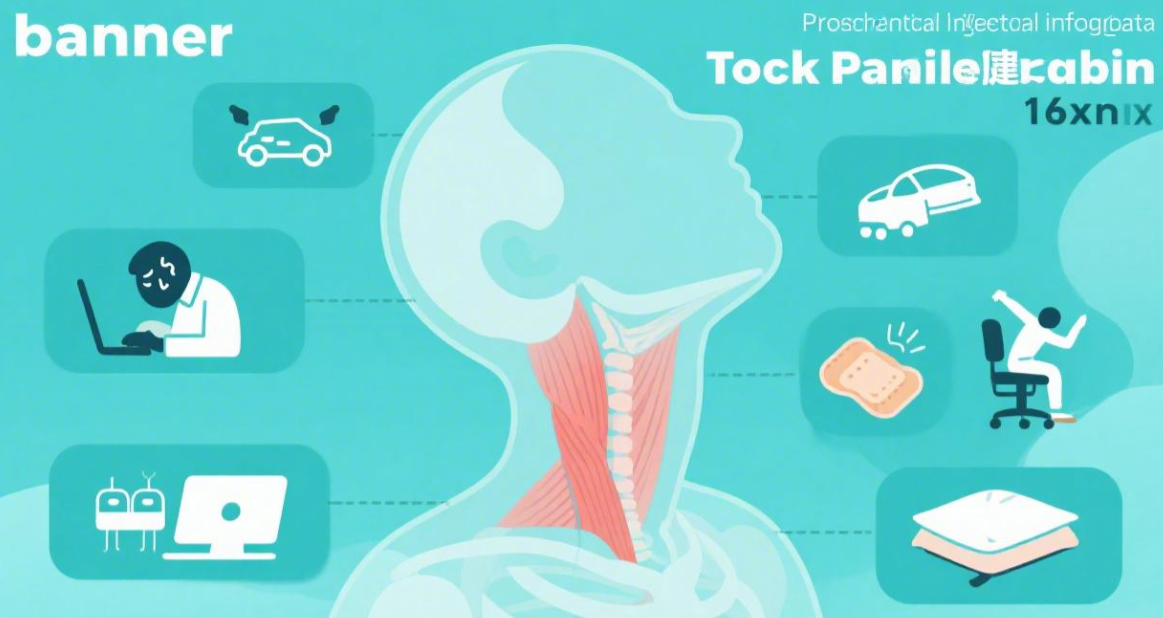
Neck pain can manifest as:
A persistent ache, or a stabbing or burning sensation.
A shooting pain that travels from the neck to the shoulders or arms.
Accompanying symptoms like numbness, tingling ("pins and needles"), or stiffness in the shoulders and arms.
Causes range from physical strain to underlying health conditions.
Aging & Degeneration: Natural wear and tear can lead to conditions like osteoarthritis, spinal stenosis, or herniated disks, which put pressure on nerves.
Physical Strain: Poor posture, weak muscles, repetitive movements, or straining to look at a screen for long periods can overwork neck muscles.
Injury: Trauma from accidents (e.g., whiplash) can damage muscles, ligaments, and spinal structures.
Mental Stress: Unconsciously tightening neck muscles due to stress is a common cause of pain and stiffness.
Other Health Conditions: Pain can be a symptom of meningitis, rheumatoid arthritis, cancer, or growths like tumors or bone spurs.
A healthcare provider typically diagnoses neck pain through:
Medical History: Discussing your pain, previous injuries, and daily activities.
Physical Exam: Checking alignment, range of motion, and muscle tenderness.
Imaging Tests (if needed): Used for severe or persistent pain to rule out serious issues.
X-rays check for bone alignment, fractures, and arthritis.
MRI scans provide detailed images of soft tissues, spinal cords, and nerves.
CT scans can show bone spurs and deterioration.
The goal is to relieve pain and restore movement. Most cases improve with conservative care.
Medications: Over-the-counter anti-inflammatories (NSAIDs) or muscle relaxants.
Physical Therapy: Exercises to strengthen neck muscles and improve flexibility.
Therapies: Options include TENS units (low-level electrical currents), steroid injections to reduce inflammation, acupuncture, or massage.
Surgery: Rarely needed, except for severe cases involving nerve compression or spinal instability.
Heat Therapy: Use a heating pad or hot shower for 15 minutes to loosen muscles.
Cold Therapy: Apply an ice pack (wrapped in a towel) to reduce inflammation, especially right after an injury.
Gentle Exercise: Perform recommended neck stretches and exercises.
Stress Reduction: Practice mindfulness, meditation, or yoga to ease muscle tension.
Quit Smoking: Smoking accelerates disk degeneration and slows healing.
Maintain Good Posture: Keep screens at eye level and sit with a straight back.
Optimize Your Sleep: Use a pillow that keeps your head aligned with your spine. Avoid stomach sleeping.
Stay Active: Take breaks from sitting to stretch and move.
Avoid Heavy Shoulder Bags: Use wheeled luggage when possible.
Strengthen Upper Back Muscles: Exercises like scapular squeezes and rows can improve posture and reduce neck strain.
Contact a healthcare provider if your neck pain:
Follows an accident or injury.
Is severe and doesn't improve with over-the-counter medication or after a week.
Is accompanied by numbness, weakness, or tingling in the arms or legs.
Involves loss of bowel or bladder control.
Occurs with headaches, fever, chills, or unexplained weight loss.

509, 5/F THE CLOUD 111 TUNG CHAU ST TAI KOK TSUI HONG KONG


