Back Pain in Women: A Complete Guide to Causes, Prevention, and Relief
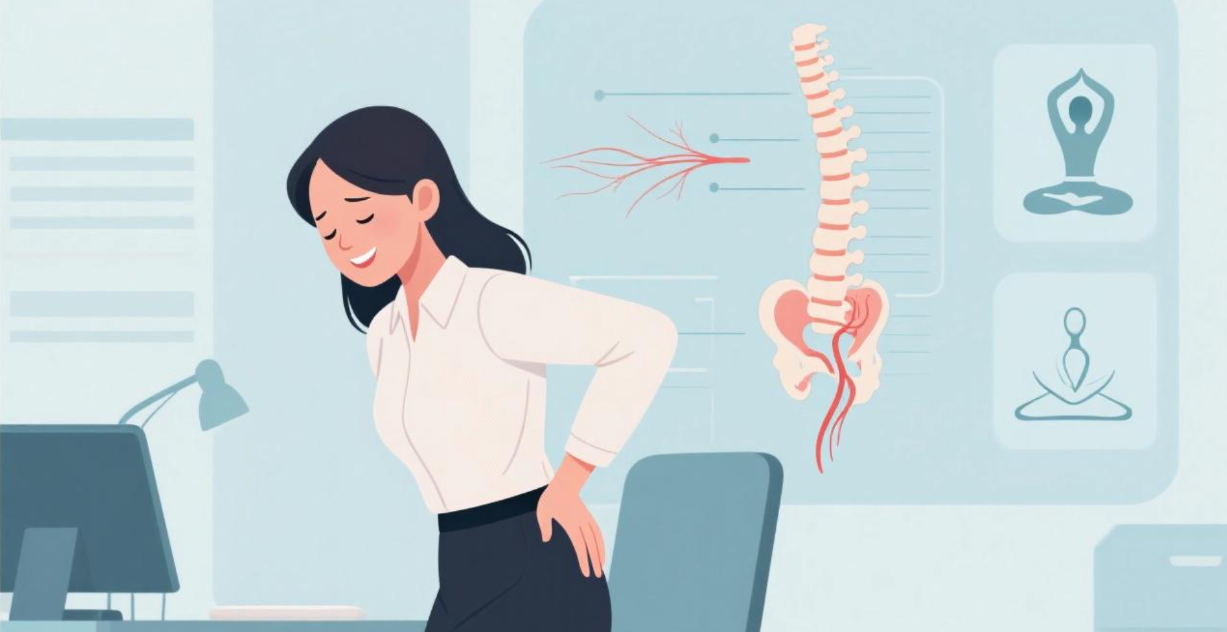
Back pain is a common issue affecting people of all ages and genders. However, women often experience it differently and more frequently due to unique physiological factors, hormonal changes, and specific health conditions. This guide explores the primary causes of back pain in women and provides practical strategies for management and prevention.
While general causes like injury, arthritis, or degenerative disc disease apply to everyone, several factors are more prevalent or exclusive to women:
Hormonal Fluctuations: Hormones like estrogen and progesterone, which fluctuate during menstrual cycles, pregnancy, and menopause, can affect ligaments, muscles, and joints, leading to pain and instability in the back.
Pregnancy: As the baby grows, the extra weight places significant strain on the lower back and pelvis. Additionally, pregnancy hormones loosen ligaments to prepare for childbirth, which can reduce spinal stability and cause discomfort.
PMS and Menstruation: Many women experience lower back pain (a type of referred pain) as a common symptom of premenstrual syndrome (PMS) and during their period due to uterine contractions and inflammation.
Gynecological Conditions: Conditions like ovarian cysts and uterine fibroids can cause pain that radiates to the lower back. The size and location of these growths can press on nerves or structures connected to the back.
Poor Posture: Modern lifestyles involving prolonged sitting, often with inadequate ergonomic support, are a major contributor to musculoskeletal stress and back pain for many women.
Upper Back Pain: Often related to stress, poor posture, or prolonged desk work, leading to muscle tightness and pain between the shoulder blades.
Lower Back Pain During Pregnancy: Typically caused by the combined effect of increased lumbar strain and ligament laxity, sometimes resulting in sciatica (pain radiating down the leg).
Chronic Back Pain: Underlying issues like muscle imbalances, spinal conditions, or chronic illnesses such as fibromyalgia or endometriosis can lead to persistent pain.
Back pain in women can vary widely:
Intensity: Ranging from a dull, constant ache to a sharp, sudden stab.
Location: Pain can be localized in the upper, middle, or lower back.
Radiation: Pain may spread to the hips, buttocks, or legs (sciatica).
Associated Symptoms: Stiffness, reduced range of motion, and pain linked to specific activities or hormonal cycles.
Proactive steps can significantly reduce the risk and severity of back pain:
Regular Exercise: Engage in low-impact activities like walking, swimming, or yoga to strengthen core muscles, reduce inflammation, and improve flexibility.
Maintain a Healthy Weight: Reducing excess body weight lessens the constant strain on your lower back.
Practice Good Posture: Be mindful of keeping your back straight when sitting and standing. Avoid slouching.
Optimize Ergonomics: Use a chair with good lumbar support at work and home. Ensure your computer monitor is at eye level.
Lifestyle Adjustments: Prioritize quality sleep, manage stress, and avoid smoking, which can impair blood flow to spinal tissues.

509, 5/F THE CLOUD 111 TUNG CHAU ST TAI KOK TSUI HONG KONG


