Chronic Kidney Disease (CKD): Symptoms, Stages, Causes, Complications, and Prevention
Chronic Kidney Disease (CKD), also known as Chronic Renal Failure, is a progressive and irreversible syndrome characterized by a gradual loss of kidney function. When a significant number of nephrons (the kidney's functional units) are damaged, it can lead to death. CKD is a leading cause of mortality worldwide, with a particularly heavy burden on low- and middle-income countries.
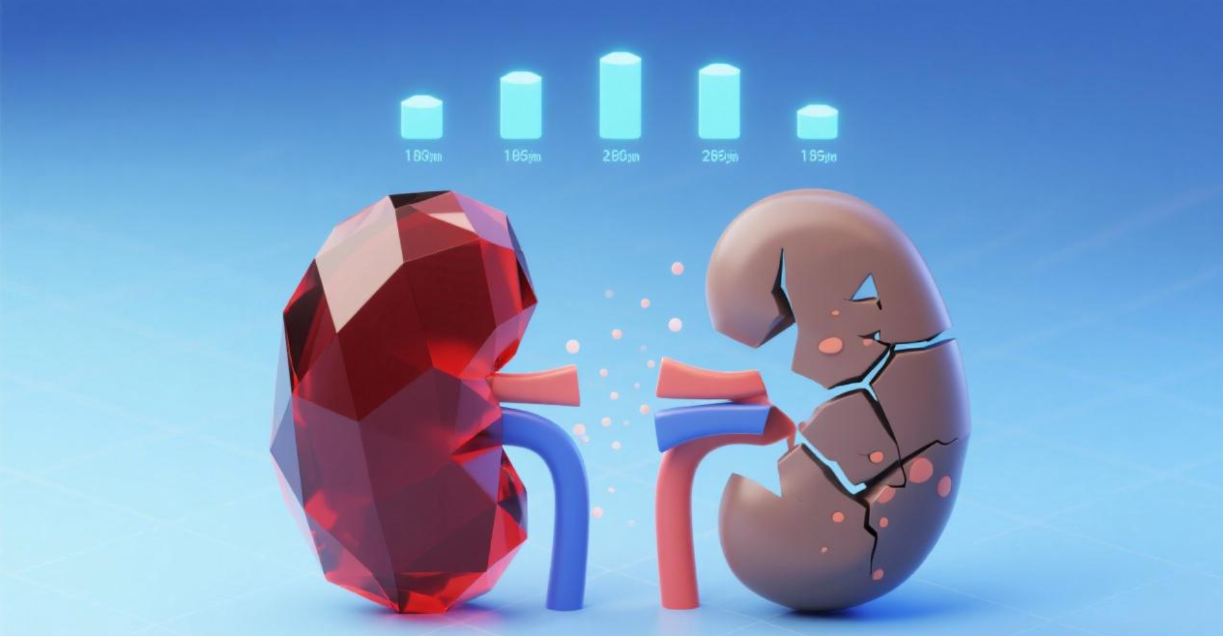
Chronic Kidney Disease is a long-term condition involving the progressive and irreversible deterioration of renal function due to the slow destruction of renal parenchyma. This impairs the kidneys' ability to filter blood, leading to a dangerous buildup of waste products and fluid in the body.
Primary Causes: The most common causes are diabetes and high blood pressure.
Early Stages: CKD is often asymptomatic in its early phases. Acidosis (excess acid in body fluids) is a key problem, leading to biochemical azotaemia (build-up of nitrogenous waste in the blood) and the clinical uraemia syndrome.
Historical Context: While the term "CKD" is modern, its symptoms (e.g., pus in urine, pain, fever) were described in antiquity. Research accelerated in the 18th century after the discovery of proteinuria (protein in urine). Dr. Bright's work in 1827 provided one of the first complete clinical descriptions of glomerulonephritis.
Many CKD patients are asymptomatic until the disease is advanced, often discovered through incidental screening.
Potential symptoms vary but may include:
General Symptoms: Pallor, breathlessness, altered cognition, anorexia, taste disturbances, uraemic breath (from urea breakdown in saliva).
Urinary Changes: Polyuria (increased urination due to impaired concentration), oliguria (reduced urination), nocturia (nighttime urination), proteinuria, haematuria (blood in urine).
Other Signs: Peripheral oedema (swelling in legs or hands from sodium retention). Muscle cramps (often worse at night due to neuronal irritation) and gastrointestinal issues like vomiting are common in advanced stages.
Virtually any chronic nephropathy can lead to CKD. Etiologies are broadly classified into two groups:
Diseases Causing Glomerular Pathology (affecting filtration):
Examples: Chronic glomerulonephritis, membranoproliferative glomerulonephritis, systemic lupus erythematosus. These often involve immune system disturbances.
Diseases Causing Tubulointerstitial Pathology (affecting reabsorption/secretion):
Examples: Chronic pyelonephritis (infection), drug toxicity, nephrosclerosis, chronic obstruction (e.g., stones, tumors, enlarged prostate).
Major Causes (accounting for >90% of cases):
Diabetic Nephropathy (~45%)
Hypertensive CKD (~20%)
Glomerulonephritis
Autosomal Dominant Polycystic Kidney Disease
Cystic and Tubulointerstitial Nephropathy
Risk Factors:
Systemic Diseases: Diabetes, autoinflammatory diseases, infections (e.g., HIV, HBV, HCV), metabolic syndrome.
Demographic/Genetic Factors: Advanced age, male gender, family history.
Childhood/Adolescent Factors: Premature birth (fewer nephrons), treated childhood cancer.
Lifestyle Factors: Smoking, alcoholism, low physical activity (contributing to hypertension and metabolic diseases).
CKD is staged from 1 to 5 based on the Glomerular Filtration Rate (GFR), a key measure of kidney function. Treatment is tailored to the stage.
Stage | Description | Glomerular Filtration Rate (GFR) |
|---|---|---|
1 | Kidney damage (e.g., proteinuria) with normal GFR | ≥ 90 |
2 | Kidney damage with mild GFR reduction | 60 - 89 |
3a | Moderate GFR reduction | 45 - 59 |
3b | Moderate GFR reduction | 30 - 44 |
4 | Severe GFR reduction | 15 - 29 |
5 | Kidney Failure | < 15 |
Complications of CKD, known as uraemic manifestations, are widespread.
Primary (Renal) Uraemic Manifestations:
Metabolic Acidosis: Causes acid-base imbalance, leading to hyperkalaemia.
Hyperkalaemia: Elevated blood potassium, risking cardiac arrhythmias.
Sodium/Water Imbalance: Causes fluid retention, hypervolaemia, and congestive heart failure.
Hyperuricaemia: Excess uric acid, potentially causing gout.
Azotaemia: Accumulation of urea and other waste products in the blood.
Secondary (Systemic) Uraemic Manifestations:
Anaemia: From decreased erythropoietin production.
Cardiovascular: Congestive heart failure and pulmonary congestion from fluid overload.
Renal Osteodystrophy: Bone weakening and pain from mineral and hormone imbalances.
Gastrointestinal: Mucosal ulcerations that can bleed, worsening anaemia.
Dermatological: Nephrogenic fibrosing dermopathy (rare, causes skin hardening).
Prevention is critical, as CKD is irreversible. Management includes dietary and lifestyle adaptations.
Diet: A diet rich in certain nutrients is associated with lower CKD risk. Beneficial components include dairy, fiber, folate, plant protein, omega-3 fatty acids (from fish, nuts), magnesium, potassium (from vegetables), and vitamins (B12, C, D, E).
Physical Activity: Higher levels of physical exercise are linked to reduced odds of developing CKD.
Smoking Cessation: Smoking increases insulin resistance and CKD risk. Avoidance is crucial for kidney and cardiovascular health.
Characteristic | Acute Kidney Injury (AKI) | Chronic Kidney Disease (CKD) | End-Stage Renal Disease (ESRD) |
|---|---|---|---|
Nature | Sudden onset | Slow, progressive, and insidious onset | The final stage of CKD (Stage 5) |
Reversibility | Often reversible | Irreversible | Irreversible; requires renal replacement therapy |
Defined by | Sudden reduction in function | GFR < 60 mL/min/1.73m² for >3 months | GFR < 15 mL/min/1.73m² |
Common Symptoms | Low urine output, thirst, dehydration, flank pain | Often asymptomatic until advanced stages | Severe hypertension, anaemia, mineral disorders |
Outcome | Can return to baseline | Progresses to ESRD if uncontrolled | Death without dialysis or transplantation |

509, 5/F THE CLOUD 111 TUNG CHAU ST TAI KOK TSUI HONG KONG


