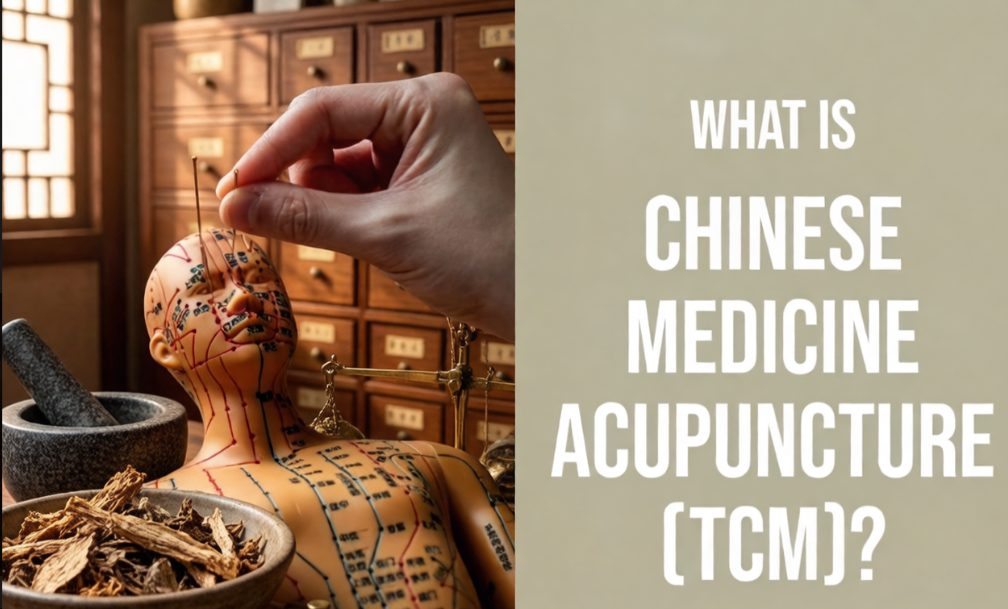
Traditional Chinese Medicine (TCM) Acupuncture is a comprehensive healing system with a history spanning thousands of years. More than just the insertion of fine needles, it is a holistic practice grounded in the principle that health is a state of harmonious energy flow within the body.
This guide explores the fundamentals of TCM acupuncture, its potential benefits, and what you can expect from a treatment session.
TCM operates on a unique understanding of wellness, centered on several key concepts:
Qi (Vital Energy): Pronounced "chee," Qi is the life force that circulates throughout the body. Health is optimized when Qi flows smoothly and in balance.
Meridians (Pathways): These are the channels through which Qi travels. Acupuncture points are specific locations along these meridians.
Yin and Yang: These represent complementary, opposing forces (e.g., cool/warm, rest/activity). Balance between Yin and Yang is essential for well-being, and imbalance is seen as a root cause of health issues.
A TCM practitioner’s diagnostic approach is distinct. Beyond discussing symptoms, they will:
Analyze Your Pulse: TCM pulse diagnosis is a detailed art, assessing qualities like strength and rhythm to understand the body's internal balance.
Examine Your Tongue: The tongue's colour, shape, and coating offer valuable clues about the state of various organ systems according to TCM principles.
The goal of treatment is not just to alleviate a specific symptom but to identify and address the underlying root cause, restoring equilibrium to your entire system.
TCM acupuncture may provide support for a wide range of conditions, including:
Pain Management: Chronic pain, back pain, headaches, and osteoarthritis.
Stress and Anxiety: Promoting deep relaxation and a sense of calm.
Women’s Health: Menstrual irregularities, fertility support, and menopausal symptoms.
Digestive Issues: Nausea, indigestion, and IBS.
Other Concerns: Allergies, insomnia, fatigue, and more.
1. Your First Consultation
Your first visit involves an in-depth discussion of your health history, current concerns, and lifestyle (sleep, diet, energy levels). This holistic intake, along with pulse and tongue diagnosis, allows the practitioner to create a personalised treatment plan.
2. The Treatment Experience
TCM needles are exceptionally fine, so insertion is often barely felt. You may experience a slight tingling, warmth, or heaviness around the needle site—a sign that Qi is being activated. The practitioner may gently manipulate the needles to enhance the effect.
3. After Your Session
Responses vary; some feel deeply relaxed, while others feel energised. Minor tenderness at needle sites is possible but typically fades quickly. Your practitioner may suggest supportive lifestyle or dietary advice.
Safety and Regulation: In the UK, look for practitioners registered with organisations like the British Acupuncture Council (BAcC), which ensures high standards of training, safety, and professional conduct.
NHS Access: Access to TCM acupuncture on the NHS is limited and varies by location. It is sometimes offered for specific conditions like chronic pain. Consult your GP for information relevant to your area.
Private Health Insurance: Many UK insurers offer coverage for acupuncture, but policies differ. Check with your provider regarding:
Practitioner Requirements: Often, treatment must be from a BAcC-registered acupuncturist.
Session or Financial Limits: Coverage may be capped per year.
Pre-approval: Some plans require authorisation before starting treatment.
Between sessions, you can support your well-being with related practices:
Acupressure: Applying pressure to acupoints instead of using needles.
Qigong: A practice combining gentle movement, breathwork, and meditation to cultivate and balance Qi.
Traditional Chinese Medicine Acupuncture is a time-tested system that seeks to address the root causes of imbalance. By promoting the smooth flow of Qi and restoring harmony within the body, it offers a powerful approach to enhancing physical and mental well-being.

509, 5/F THE CLOUD 111 TUNG CHAU ST TAI KOK TSUI HONG KONG


