Things to Know About Chronic Knee Pain
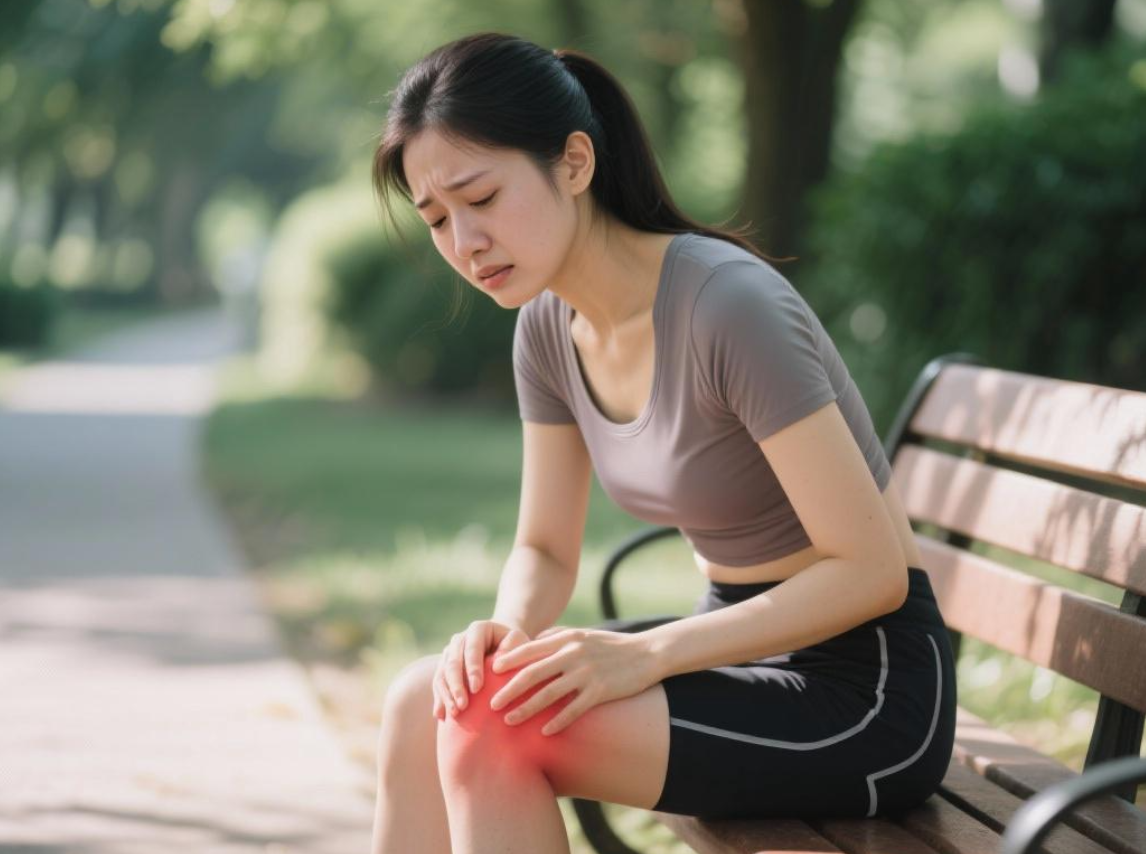
If you're suffering from chronic knee pain, you know how significantly it can limit your daily activities. This pain can be debilitating, preventing you from living life to the fullest. Whether it's a simple walk around your neighborhood or more strenuous activities like sports or running, an aching knee can keep you grounded.
But don't lose hope. Understanding the underlying causes of chronic knee pain—and finding ways to alleviate it—is the key to regaining an active lifestyle. A variety of treatments are available that can reduce, and may even eliminate, the debilitating effects of chronic knee pain. Read on to learn how these approaches can help restore a life free from constant pain.
What is Chronic Knee Pain?
Chronic knee pain is defined as pain in the knee that persists for three months or longer.
Symptoms of Chronic Knee Pain
Symptoms vary from person to person and may include:
Constant or intermittent pain
Swelling and tenderness
Loss of range of motion in the knee
Redness and warmth around the affected area
Stiffness
A locking sensation
Itching and burning
Causes of Chronic Knee Pain
Common underlying causes include:
Arthritis
Arthritis is one of the most common causes of chronic knee pain. It refers to a range of conditions that affect the joints, from mild discomfort to severe, debilitating pain. Osteoarthritis, or degenerative joint disease, results from wear and tear on the cartilage between joints. Rheumatoid arthritis is an autoimmune condition where the immune system attacks the joints, causing swelling and damage to the cartilage and bones in the knee.
Tendonitis or Bursitis
Tendons are thick bands connecting muscles to bones, while bursae are small, fluid-filled sacs that cushion bones, muscles, and tendons. Inflammation of these tissues due to injury or overuse can lead to chronic knee pain. Tendonitis typically stems from irritation due to repetitive motion, while bursitis occurs when the bursae become inflamed or irritated.
Meniscus Tears
The meniscus is a C-shaped piece of cartilage that acts as a shock absorber between your thighbone (femur) and shinbone (tibia). A tear in this cartilage, often due to trauma or age-related degeneration, can cause sharp pain. While some tears heal with rest and physical therapy, others may require surgery.
How to Treat Chronic Knee Pain
Several strategies can help improve your quality of life and reduce the severity of your pain:
Physical Therapy
Physical therapy is a highly effective treatment for improving mobility, reducing swelling and inflammation, and strengthening the muscles around the knee joint. A regimen of stretching, strengthening, and range-of-motion exercises can alleviate symptoms and help prevent future injury.
Over-the-Counter Medications
Nonsteroidal anti-inflammatory drugs (NSAIDs) are commonly used to manage chronic knee pain by reducing inflammation and providing short-term relief. These should be used under a doctor's guidance, as they may not be suitable for everyone.
Complementary Therapies
Therapies such as acupuncture, massage, and yoga can be beneficial in managing chronic knee pain. They help relax muscles, improve circulation, and reduce stiffness in the affected area.
Surgery
Surgery may be necessary when other treatments fail to provide adequate relief. Procedures can range from minimally invasive arthroscopy to repair damaged ligaments or cartilage, to more involved open surgery. Post-surgery physical therapy is crucial for a successful recovery.
Rest and Activity Modification
Adequate rest is vital for managing knee pain. It's important to avoid high-impact activities like running and jumping that strain the knees. Instead, focus on low-impact exercises such as walking, swimming, or cycling, which strengthen the supporting muscles without causing further damage.
Long-Term Effects of Chronic Knee Pain
Persistent knee pain can severely impact your quality of life. Potential long-term effects include:
Loss of mobility
Difficulty with daily activities
Depression
Anxiety
Seek Treatment for Your Knee Pain!
There is no one-size-fits-all solution for chronic knee pain. Because everyone's experience with pain is unique, finding the right combination of treatments is essential to reducing your discomfort and improving your quality of life.

509, 5/F THE CLOUD 111 TUNG CHAU ST TAI KOK TSUI HONG KONG


